Our Counterproductive Parole Board
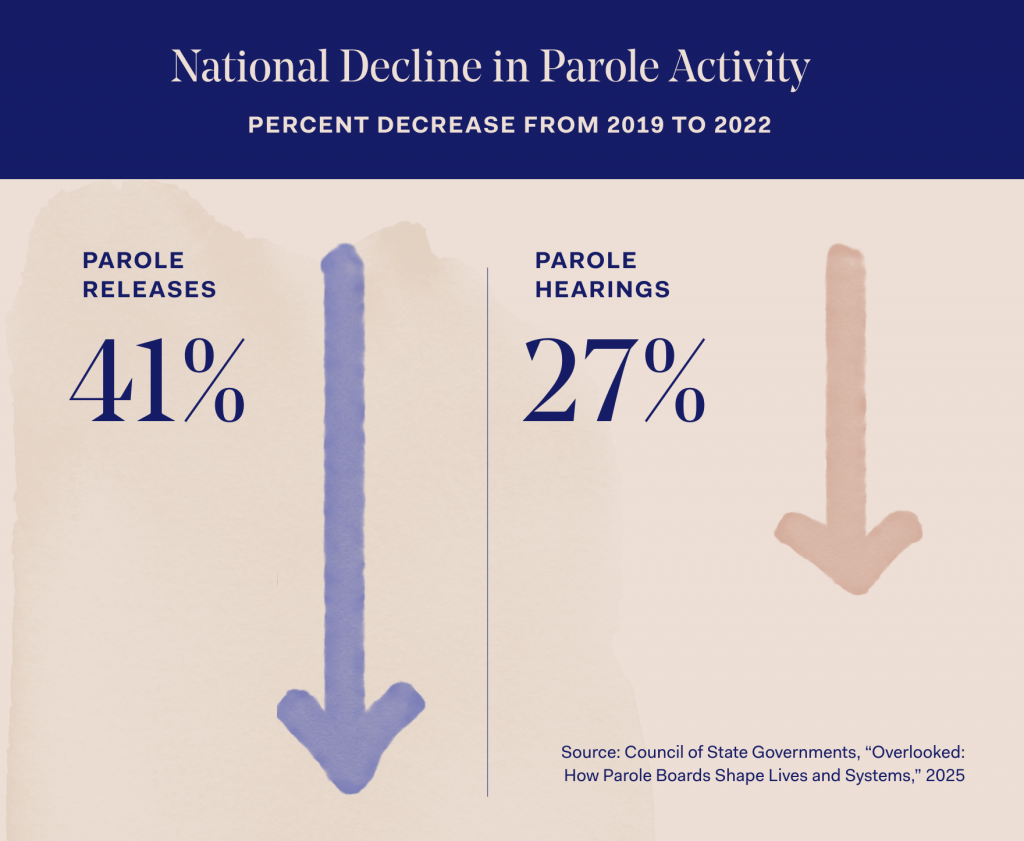
When I think of counterproductive intuitions, my mind immediately turns to the Kentucky Parole Board.
When my mentees from Prisoner’s Hope (TPH) stand before that remote video screen, they face a crucible of interrogation conducted by board members who often seem entirely unequipped to judge their readiness for freedom. For many of these men and women, true rehabilitation happened a decade or two ago, they are the cream of the crop inmates. Yet, the staggering taxpayer cost of funding years of useless, prolonged incarceration rarely if ever register with the board.
Every denial of a rehabilitated soul does two things: it lines the pockets of prison profiteers (like Securus, Aramark, & GTL), and it suffocates the hope of other inmates who have stayed out of trouble and dedicated themselves to educational classes.
Ironically, the alternative is even more grim. Sixteen states—including Indiana, Illinois, and Washington—have abolished or severely curtailed discretionary parole altogether. Ultimately, our system of mass incarceration does not just feed on institutional flaws; it thrives on the apathy of a general public that chooses to look away.